If you’ve ever had a patient — or experienced it yourself — saying:
“I swear my ADHD got worse overnight.”
“I can’t focus. I can’t remember anything.”
“I feel scattered, emotional, and exhausted.”
And they’re in their 40s or 50s…
Menopause may be the missing piece of the puzzle.
Let’s talk about what’s really happening.
The Hormone–Brain Connection
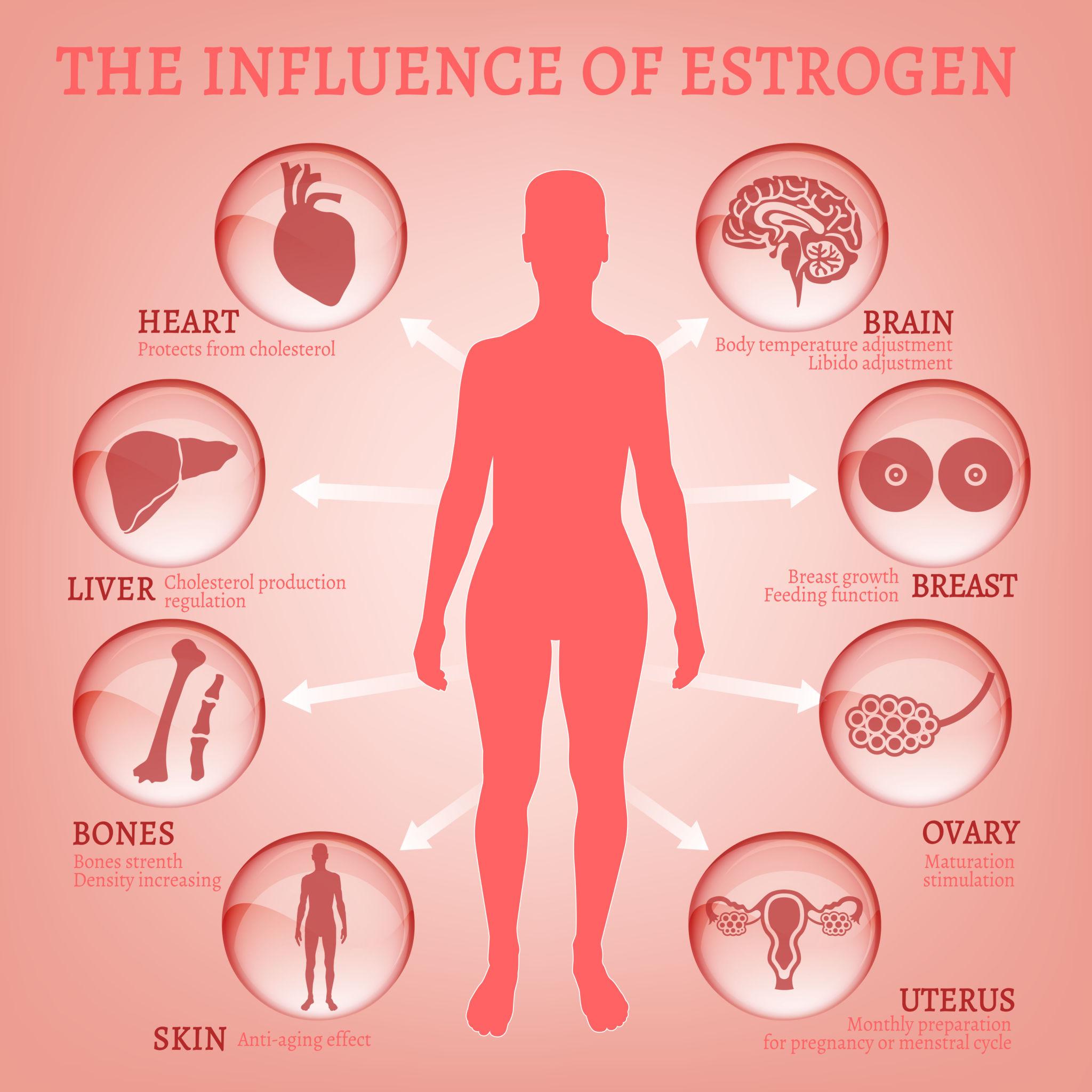
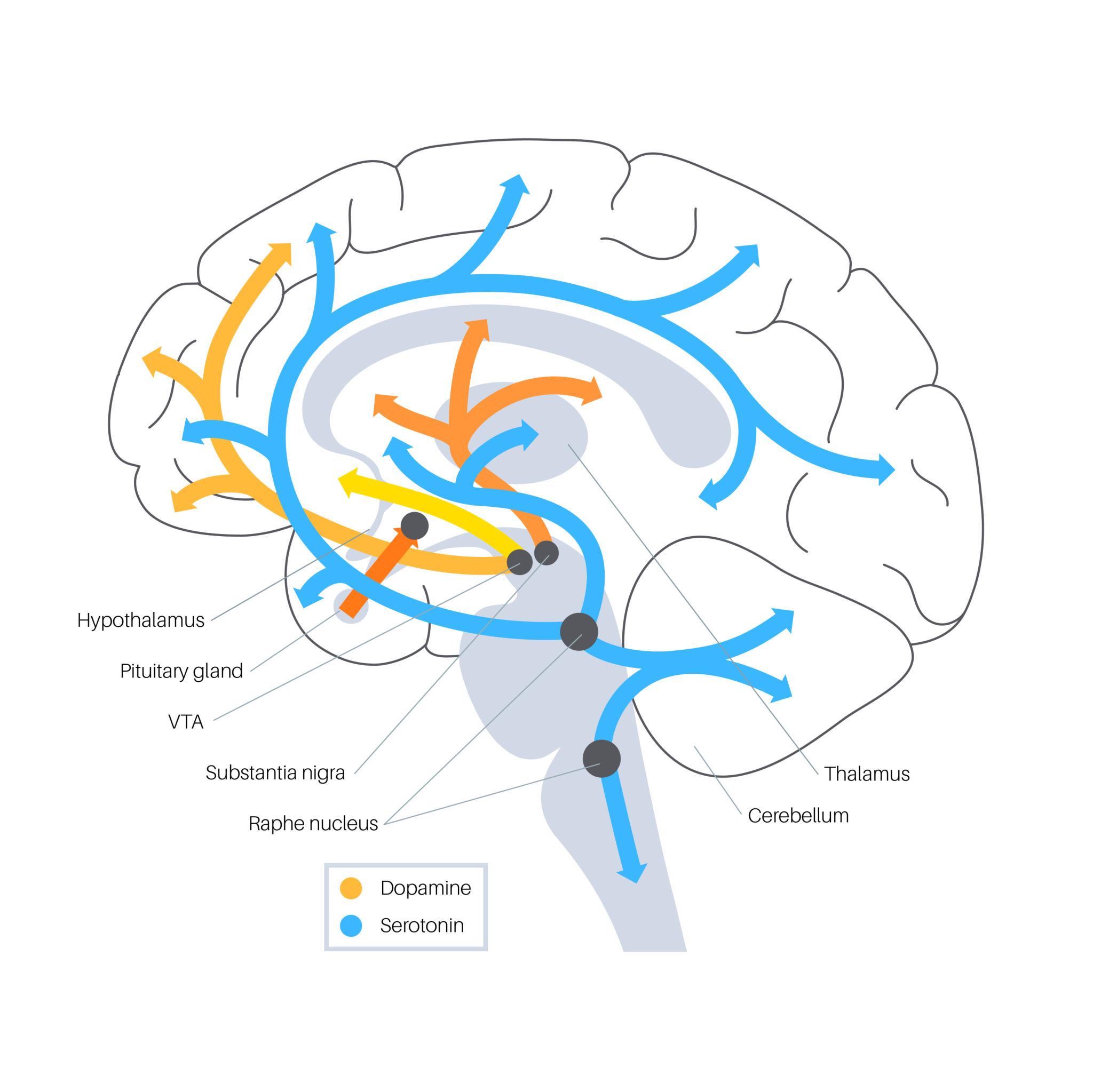

Estrogen isn’t just about periods and hot flashes.
It plays a major role in:
- Dopamine regulation
- Executive functioning
- Memory
- Mood stability
- Attention and processing speed
And dopamine? That’s the neurotransmitter most closely linked to ADHD.
When estrogen levels fluctuate (perimenopause) and then decline (menopause), dopamine activity becomes less stable. For women with ADHD, this can feel like their medication “stopped working.” For others, it’s the first time ADHD symptoms become noticeable enough to seek evaluation.
Why ADHD Symptoms Often Worsen in Perimenopause
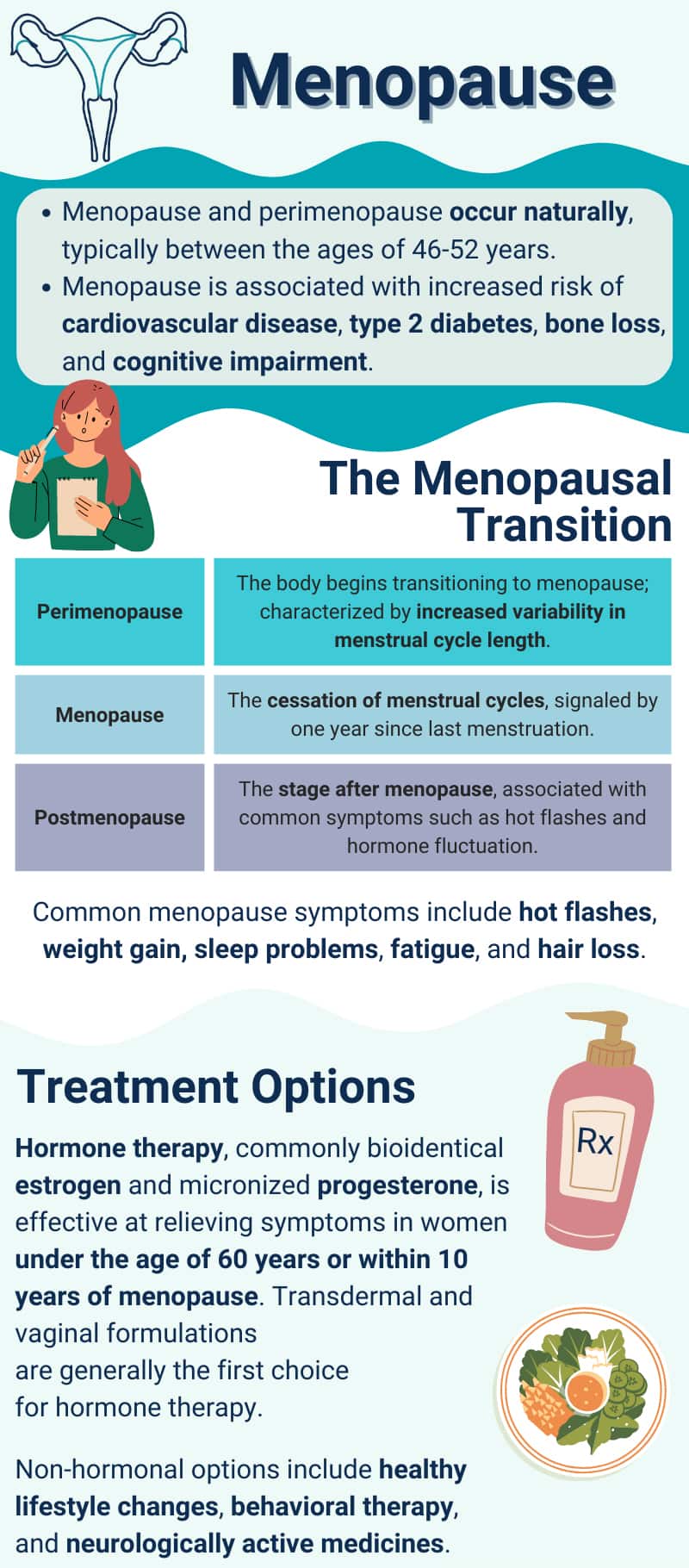
Perimenopause can begin in your late 30s to early 40s — long before periods stop.
During this phase, estrogen doesn’t just decline. It fluctuates unpredictably. That hormonal instability can amplify:
- Brain fog
- Forgetfulness
- Poor concentration
- Emotional reactivity
- Sleep disruption
- Increased anxiety
- Task paralysis
For women who were previously high-functioning (especially those who masked symptoms for years), this stage can feel destabilizing.
Many say:
“I used to manage everything. Now I can’t.”
It’s not a character flaw. It’s neurobiology.
Undiagnosed ADHD and Midlife “Burnout”



Here’s something we’re seeing more often:
Women who were never diagnosed with ADHD — because they were:
- Good students
- High achievers
- People-pleasers
- Masking with anxiety
Hit midlife… and everything unravels.
Why?
Because estrogen was helping compensate.
Once hormonal support shifts, executive functioning vulnerabilities are exposed. Add in:
- Career pressure
- Caring for aging parents
- Teenagers or launching adult children
- Sleep disruption from night sweats
And suddenly coping systems collapse.
This is often mislabeled as:
- “Just stress”
- Depression
- Generalized anxiety
- Early dementia (yes, patients worry about this)
When in reality, it may be ADHD + hormonal transition.
Medication Changes During Menopause
Many women report:
- Stimulants feel weaker
- Medication doesn’t last as long
- Increased irritability on usual doses
- Needing dose adjustments around cycle changes (in perimenopause)
This doesn’t mean the medication “failed.” It means the brain environment changed.
In some cases:
- Dose adjustments help
- Longer-acting formulations are beneficial
- Addressing sleep is critical
- Hormone replacement therapy (HRT) may improve cognitive symptoms for some women
It requires a thoughtful, individualized approach.
ADHD vs. Menopause Brain Fog — How Do You Tell?
Both can cause:
- Forgetfulness
- Distractibility
- Word-finding issues
- Mental fatigue
Key differences:
- ADHD symptoms typically existed earlier in life (even if subtle)
- Lifelong patterns of disorganization or time blindness are common in ADHD
- Menopause-related cognitive changes are more acute and hormonally timed
But often, it’s not either/or.
It’s both.
The Emotional Piece No One Talks About
Many women feel ashamed.
They’ve built careers. Raised families. Managed complex lives.
Then suddenly:
- They miss deadlines.
- They forget appointments.
- They snap emotionally.
- They feel incompetent.
The internal narrative becomes:
“What’s wrong with me?”
Nothing is “wrong.”
Your brain is responding to hormonal shifts.
And if ADHD was always part of your wiring, menopause may simply be unmasking it.
What Actually Helps
Here’s what tends to make the biggest difference:
- Proper evaluation (don’t dismiss symptoms as “just menopause”)
- Sleep stabilization
- Reviewing stimulant dosing or formulation
- Considering non-stimulant options when appropriate
- Evaluating hormone replacement therapy with a qualified provider
- Therapy focused on executive function strategies
- Reducing shame through education
Midlife cognitive shifts are common — but suffering in silence doesn’t have to be.
Final Thoughts
ADHD in women is still underdiagnosed.
Menopause is still under-discussed.
Put them together, and you have thousands of women thinking they’re failing… when they’re actually navigating a predictable neurohormonal transition.
If you’re in this stage of life and questioning your focus, memory, or emotional stability — you’re not alone.
And you’re not losing your mind.
Your brain is adapting.
With the right support, it can adapt well.